Keep Competing in HYROX.
Fix the Root Cause & Have a Plan.

Don’t Let Pain Hold You Back From What You Love.
When you sign up for a HYROX race, you're probably not the type of person who wants to be told to stop training. You love pushing yourself, getting stronger, chasing a faster time, and seeing what your body is capable of. So when your knee starts hurting during lunges, your Achilles bothers you on the runs, or your back starts aching during sled pushes, the last thing you want to hear is that you need to stop doing what you love.
What we see constantly is this: athletes start working around their pain. They change how they squat, avoid certain movements, cut out running, or just accept that their knee or Achilles is something they'll have to deal with throughout their training cycle. They keep showing up, but they're not performing the way they want to.
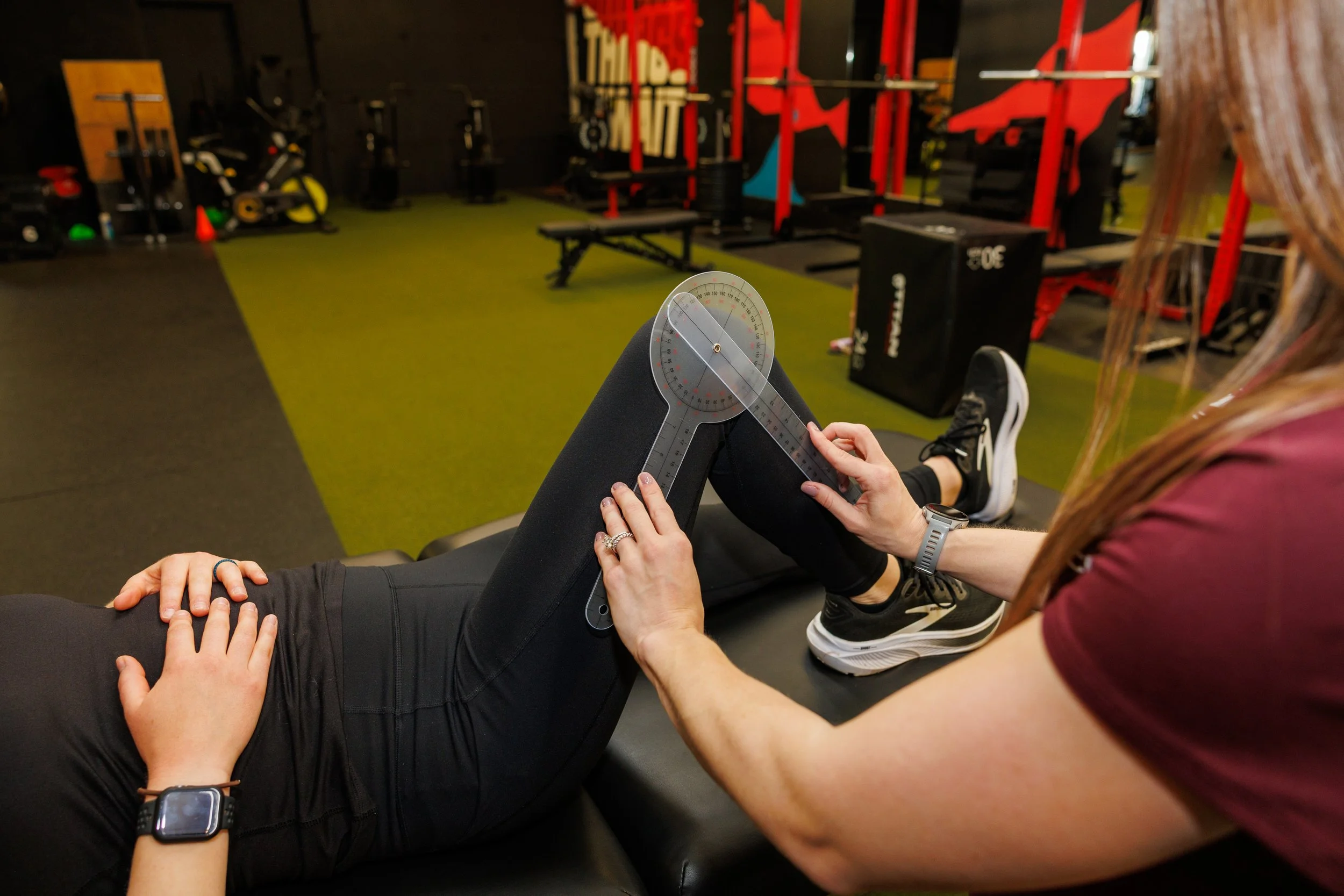
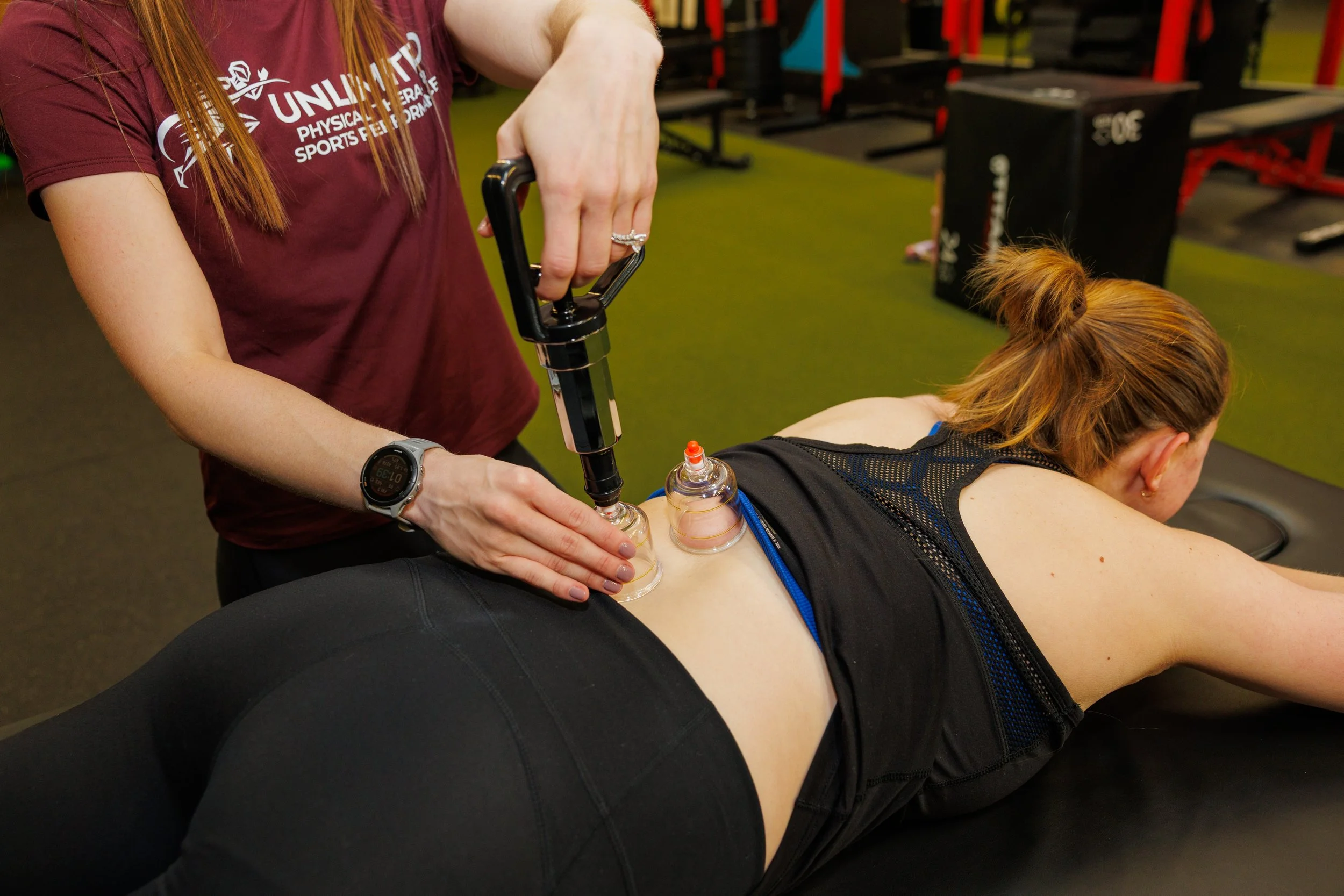
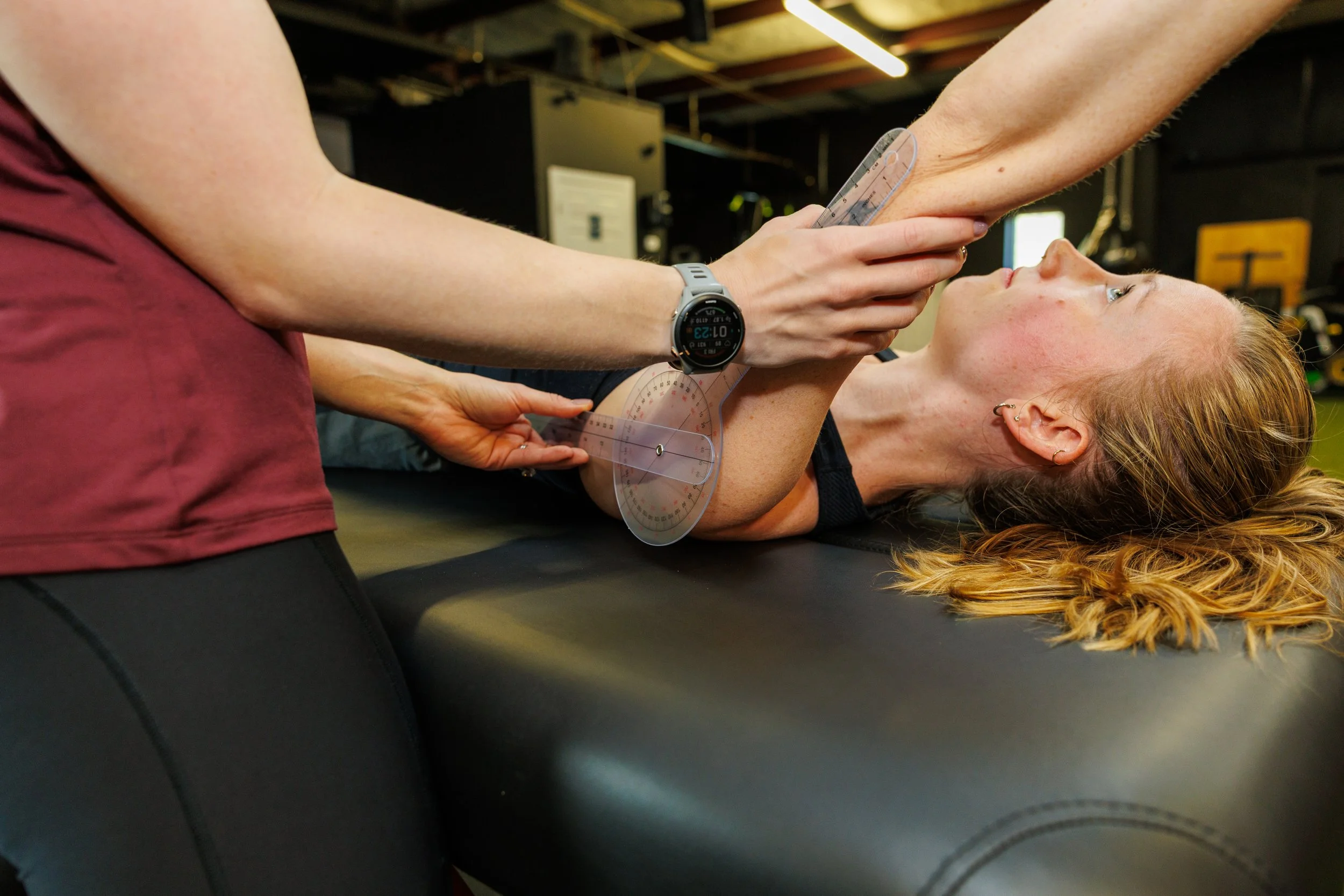
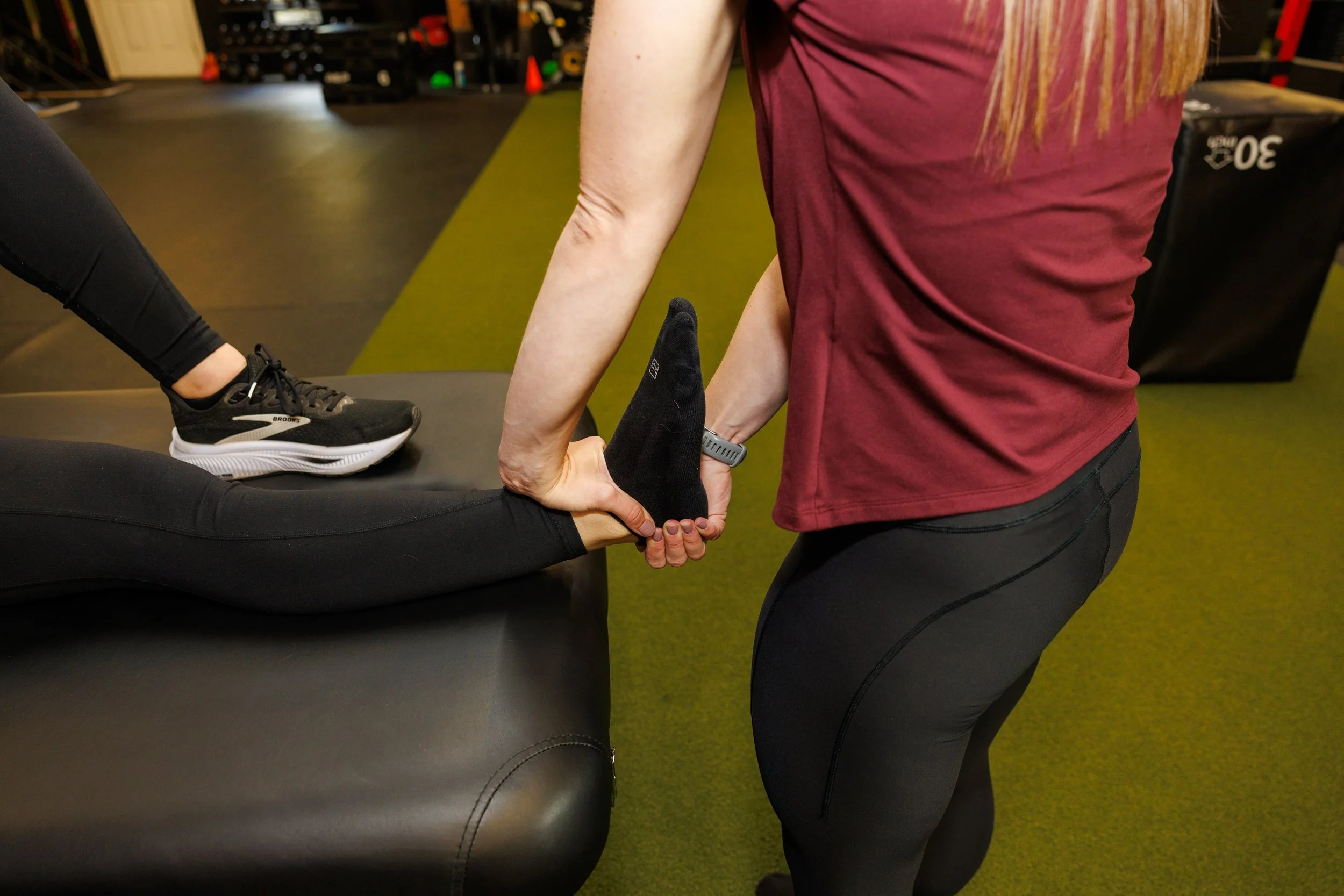
The answer isn't always to train less or take time off. Sometimes, you need to figure out why that movement is bothering you, address the limitations that might be contributing, and build your body's capacity to handle the specific demands of HYROX.
Because being strong enough to push a sled is one thing. Being able to push a sled, transition into a run, and do it all over again is another. Your body needs to be prepared for the demands of YOUR sport.
You shouldn't have to choose between chasing your HYROX goals and taking care of your body. You deserve a plan that helps you address your pain while continuing to work toward your performance goals.
Imagine showing up to race day confident in your body, knowing you've put in the work, addressed the things holding you back, and given yourself the best chance to perform at your best.
This is for you if:
You have an upcoming HYROX race and pain is impacting your training plan.
You’ve tried rest and it didn’t work.
You’ve tried traditional PT and bridge and clam shells isn’t cutting it.
You’re chasing your first HYROX finish, or maybe chasing the podium. We are all on our own journey.
You are ready for a holistic, long-lasting solution.

From Our Patients
“Dr. Megan is the absolute best! Every session, you’re treated to a full 60 minutes of 1:1 attention and care. She takes time to listen to each individual patient and carefully adapt a treatment plan that suits their particular needs. I would (and have!) highly recommend her to anyone and everyone!”
Kristen Z.“Megan is an amazing PT and is dedicated to providing individualized care to help people achieve all of their goals and live life to the fullest despite pain or injury cropping up along the way! She is compassionate and a great listener, and is absolutely the person you want in your corner when trying to achieve a fitness goal or come back from an injury!”
Stephanie B.“Dr. Rodio is the best!
After six weeks of work with Unlimited Physical Therapy, I am back to running pain free and working out regularly. This comes after running with hip pain for the past six months and having a less than great experience at a different physical therapist.
Megan focused on the cause and severity of my injury and led me through a personalized and extremely successful treatment program. Focusing first on pain remediation, then on strength building, I saw consistent progress from day one. I have never felt stronger on my runs than I do after working with Dr. Rodio.
I highly recommend Unlimited Physical Therapy and Megan to anyone who has struggled to get past a running injury and who has had mixed results with other physical therapists.”
Paul C.